Skip to content

In Southern California, wildfire preparedness isn’t just a seasonal concern—it’s a year-round necessity. As we move through 2026, homeowners from the canyons of Escondido to the coastal hills of Oceanside are increasingly looking to solar energy not just for savings, but for survival.
At Dils Roofing, we specialize in “Resilient Roofing.” This means ensuring your solar installation doesn’t just generate power, but actually enhances your home’s ability to withstand ember attacks and grid shutdowns. With new state regulations and the 2026 Safe Homes Grant program now in effect, there has never been a better time to audit your roof’s fire readiness.
Key Takeaways
- Class A Fire Ratings: Why the material under your panels is your first line of defense.
- Ember-Resistant Installation: Preventing “bird nesting” and debris buildup under solar arrays.
- Battery Backup & Grid Independence: Staying powered during Public Safety Power Shutoffs (PSPS).
- 2026 California Fire Codes: Understanding new requirements for Battery Storage and rapid shut-off.
- The Dils Roofing “Fire-Safe” Inspection: Our unique approach to Southern California solar safety.
1. Class A Fire Ratings: The Foundation of Safety
A solar system is only as fire-safe as the roof it sits on. In high-fire-risk areas like Fallbrook or Valley Center, we exclusively recommend Class A-rated roofing materials.
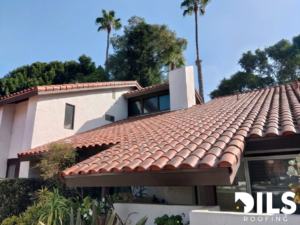
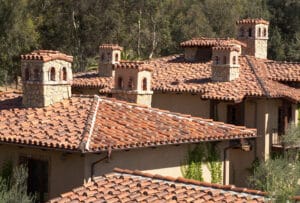
What is Class A? This is the highest fire-resistance rating available. Materials like asphalt shingles, concrete tiles, and metal roofs are designed to withstand severe fire exposure without igniting the underlying structure.
Compatibility: When Dils Roofing installs solar, we ensure the mounting system and the roofing material work together to maintain that Class A rating. Installing panels on an old, combustible wood-shake roof is a significant risk that we help homeowners avoid.
Learn more about Dils Roofing’s Roof Replacement options here.
2. Ember-Resistant Installation: Keeping the “Gap” Clear
During a Southern California wildfire, wind-blown embers are the primary cause of home ignition. The gap between your solar panels and your roof can become a trap for dry leaves and debris.
- Pest & Debris Guards: We install specialized mesh screening around the perimeter of your solar array. This prevents birds from nesting and keeps flammable debris from accumulating under the panels.
- Clean Roof Strategy: A clean roof is a safe roof. In neighborhoods like Carlsbad and Vista, we recommend regular maintenance to clear “fuel” (leaves and pine needles) that might settle around your solar mounts.
3. Battery Backup & Resilience During Power Outages
When a Red Flag Warning is issued, utility companies often initiate Public Safety Power Shutoffs (PSPS). Standard solar systems without a battery will shut down during these events to protect line workers.
Energy Storage Systems (ESS): By adding a battery like the Tesla Powerwall 3, your home can “island” itself from the grid. This ensures your refrigerators, medical devices, and communication tools remain powered even when the grid is dark.
VPP Programs: Many San Diego homeowners are now joining Virtual Power Plants, helping stabilize the grid while earning credits for their stored energy.
4. 2026 California Fire Codes: What You Need to Know
As of January 1, 2026, California has updated its Fire Code regarding residential energy storage.
- Hazard Mitigation Analysis (HMA): For existing and new battery systems over 20 kWh, homeowners may now be required to ensure their systems provide early detection and notification of “thermal runaway” events.
- Safe Homes Grant Program: 2026 marks the launch of new state grants designed to help homeowners in high-risk zones upgrade to fire-safe roofs and create “Zone Zero” ember-resistant buffers. Dils Roofing can help you determine if your roof upgrade qualifies.
Explore our Solar Installation services.
5. The Dils Roofing “Fire-Safe” Inspection
We don’t just look at wires; we look at the whole home. A Dils Roofing inspection for Southern California homeowners includes:
- Flashing Audit: Ensuring all roof penetrations are sealed with non-combustible metal flashing.
- Vent Inspection: Checking that your attic vents are “WUI-compliant” (Wildland-Urban Interface) to prevent ember entry.
- Structural Load Check: Confirming your roof can safely support both the solar load and the weight of fire-resistant materials.
Frequently Asked Questions
Q: Do solar panels increase the risk of a house fire?
A: When installed by a licensed professional to current NEC (National Electrical Code) standards, solar panels are incredibly safe. The risk usually comes from poor DIY installations or failing to clear debris from under the panels.
Q: Will my solar panels work if it’s smoky outside?
A: Thick smoke from nearby wildfires can reduce solar production by blocking sunlight, much like heavy cloud cover. However, a system with a battery backup will still utilize whatever energy it can harvest to keep your critical loads running.
Q: Are there special permits for solar in high-fire-threat districts?
A: Yes. Areas designated by CAL FIRE as “High Fire Threat Districts” (common in East County San Diego) have stricter requirements for equipment spacing and rapid shut-off access for firefighters.
Is your home prepared for the next Red Flag Warning? Protect your family’s safety and your energy independence with a roof and solar system built for the Southern California climate.