Skip to content


Living in North County San Diego means enjoying mild temperatures and sunshine for most of the year. However, when winter arrives, sudden Pacific storms and atmospheric rivers can put months of sun-baked roofing materials to the ultimate test. For homeowners in Vista, CA, prolonged summer UV exposure, dry Santa Ana winds, and coastal moisture from nearby Oceanside and Carlsbad silently degrade shingles, underlayment, and flashing long before the first raindrop falls.
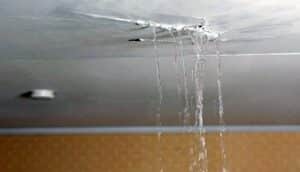
At Dils Roofing, we have spent decades helping San Diego families safeguard their homes against seasonal weather shifts. Waiting until water stains appear on your ceiling is the most expensive way to discover a roofing issue. By taking proactive steps each fall, you can prevent structural rot, mold growth, and emergency repairs when the rain arrives.

Key Takeaways
- Clear Out Debris and Clean Your Gutters: Learn why removing eucalyptus leaves, pine needles, and dirt prevents water from backing up under your roof eaves.
- Inspect Your Roof for Sun and Wind Damage: Discover how intense Vista UV rays and Santa Ana winds crack tiles, curl shingles, and compromise your home’s waterproof barrier.
- Check Flashing, Pipe Boots, and Roof Penetrations: Understand why the seals around skylights, chimneys, and vents are the most common failure points during San Diego rainstorms.
- Trim Overhanging Tree Branches: Find out how cutting back nearby trees protects your roof from wind-whipped limbs and reduces moisture buildup.
- Inspect Your Attic for Early Warning Signs: Identify hidden indicators of roof vulnerability—like daylight beams, damp insulation, and musty odors—from inside your home.
- Schedule a Professional Roof Inspection: See how a certified inspection from Dils Roofing ensures your home meets California Title 24 standards and stands ready for winter weather.
Clear Out Debris and Clean Your Gutters
One of the simplest yet most effective ways to prepare your Vista home for rainy season is ensuring water has a clear path off your roof. Throughout the dry summer and windy autumn months, gutters and roof valleys collect eucalyptus leaves, dirt, twigs, and granules from asphalt shingles.
When heavy rain hits, clogged gutters overflow. Instead of channeling water safely away from your foundation, backed-up water pools along the roofline, seeping underneath your starter shingles and rotting the wooden fascia boards.
- Scoop out all leaves and sludge from gutters and roof valleys, especially if your property is near mature trees in neighborhoods like Shadowridge or Buena Creek.
- Flush your downspouts with a garden hose to verify that water flows freely and discharges at least five feet away from your home’s foundation.
- Check gutter hangers and pitch to make sure heavy wet debris hasn’t caused sections to sag or pull away from the eaves.
Inspect Your Roof for Sun and Wind Damage
Because Vista sits slightly inland from the coast, roofs here experience higher daily temperature swings and intense UV radiation compared to beachfront properties in Encinitas or Carlsbad. Over time, solar heat bakes the natural oils out of asphalt shingles, making them brittle, curled, or cracked. Meanwhile, autumn Santa Ana winds can lift loose edges or shift clay and concrete tiles out of alignment.
From the safety of the ground, using a pair of binoculars, scan your roof surface for visible red flags:
- Cracked, slipped, or missing tiles: Even a single broken concrete or clay tile exposes the underlying waterproof membrane to direct UV rays and driving rain.
- Curling or blistering shingles: Buckling shingles or those missing significant amounts of mineral granules have lost their primary defense against moisture.
- Debris piled in roof valleys: Valleys carry the highest volume of runoff during a storm; trapped debris acts like a dam, forcing water sideways under surrounding roofing materials.
If you spot damaged materials, avoid climbing onto a steep or wet roof yourself. Reach out to our team via our Vista Roof Repair services page to safely replace compromised components before the forecast turns wet.
Check Flashing, Pipe Boots, and Roof Penetrations
In our experience servicing thousands of roofs across San Diego County, over 80% of storm-related leaks do not start in the middle of an open roof field—they originate at roof penetrations. Anywhere an object passes through your roof deck creates a seam that relies on metal flashing and rubber seals to stay watertight.
- Metal Flashing: Check the sheet metal around chimneys, skylights, dormers, and wall intersections. Look for rust, lifted edges, or dried-out caulking that has separated from stucco or masonry.
- Plumbing Vent Boots: The rubber collars surrounding plumbing exhaust pipes dry out and crack rapidly under the Southern California sun. Once split, rainwater runs directly down the outside of the pipe into your ceiling drywall.
- Skylight Seals: Ensure skylight frames are intact and weep holes are clear so condensation and rainwater drain properly.
Trim Overhanging Tree Branches
Vista is known for its lush greenery, rolling hills, and mature trees—from towering eucalyptus and pepper trees to backyard citrus and oak trees. While great for shade in July, overhanging limbs pose a major hazard during winter storms.
High gusts during Pacific fronts can snap heavy branches, puncturing tiles, denting metal flashing, or tearing away gutters. Even if branches don’t break, limbs rubbing against your roof in the wind act like sandpaper, scraping away protective shingle granules. Trim back any branches so they sit at least six to ten feet away from your roofline.
Inspect Your Attic for Early Warning Signs
You don’t always have to look outside to spot a roof problem. Grab a flashlight and head into your attic on a sunny afternoon before the rainy season begins. Checking your attic gives you an unfiltered view of your roof decking from the underside.
- Look for pinholes of daylight: If you can see sunlight peeking through the roof boards or around vent pipes, rainwater will easily find its way through the same gaps.
- Check for dark water stains or streaks: Discoloration on rafters and plywood sheathing indicates past or slow-developing leaks.
- Inspect your insulation: Damp, compressed, or matted insulation loses its R-value and signals active moisture intrusion.
- Sniff for musty odors: A damp, earthy smell in the attic often points to trapped moisture and hidden mold growth caused by poor ventilation or minor roof seepage.
Schedule a Professional Roof Inspection
DIY visual checks are a great starting point, but many critical vulnerabilities—such as deteriorated underlayment beneath concrete tiles or improper flashing installation—require a trained eye to detect. Under California building codes and Title 24 energy standards, maintaining a properly sealed and ventilated roof system is essential for both weather protection and home efficiency.
At Dils Roofing, our certified technicians conduct thorough multi-point inspections tailored to Vista’s unique microclimate. Whether you own a classic ranch-style home near downtown Vista or a two-story tile-roof residence in Shadowridge, we document every finding with clear photos and honest recommendations—never pushing unnecessary replacements when a targeted repair will do the job. Learn more about our comprehensive maintenance options on our Roof Inspection services page.
Protect Your Vista Home Before the Next Storm Hits
Schedule your fall roof inspection or get a fast, no-obligation repair estimate from North County San Diego’s trusted roofing experts.
Frequently Asked Questions
When is rainy season in Vista and San Diego County?
San Diego’s rainy season typically runs from November through March, with the heaviest rainfall usually occurring between December and February. Late October and early November are the ideal windows to complete roof maintenance and repairs before major winter storms arrive.
How often should I have my Vista roof inspected?
We recommend having your roof professionally inspected once a year—ideally in the fall before rainy season—as well as immediately following any severe wind event or major storm. Regular annual inspections help catch minor wear early and keep manufacturer warranties valid.
My tile roof looks fine from the street. Could it still leak during heavy rain?
Yes. On concrete and clay tile roofs, the tiles themselves shed most of the water, but the underlayment beneath the tiles is what actually makes your roof waterproof. In San Diego’s sunny climate, underlayment typically lasts 20 to 25 years before drying out and tearing, even when the tiles on top still look intact.
What should I do if I discover a leak during a rainstorm?
First, protect your interior by placing a bucket under the drip and moving furniture or electronics out of the area. If water is pooling in a drywall ceiling bulge, carefully puncture the center with a screwdriver to let it drain cleanly rather than allowing the drywall to collapse. Then call Dils Roofing immediately for emergency tarping and permanent repair once the surface dries.