Skip to content

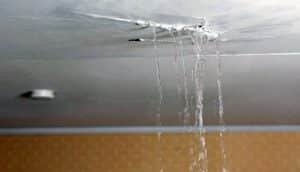
A water stain on your ceiling. A drip after a rare San Diego rainstorm. A musty smell you can’t quite place. A roof leak can start small and quietly cause thousands of dollars in damage before most homeowners notice. The good news: if you catch it early, roof leak repair in San Diego is usually straightforward — and much cheaper than the alternative.
This guide walks you through how to find a roof leak, what causes most leaks on San Diego homes, and what to do when it’s time to call a professional.

Why San Diego Homes Are Vulnerable to Roof Leaks
It might seem odd to worry about leaks in one of the driest cities in the country. But San Diego’s climate creates a unique set of roofing risks. Here’s what puts local roofs at risk:
| ✓ | Prolonged sun exposure. UV rays break down roofing materials over time. Shingles crack, tile sealant degrades, and flashing pulls away from the roof deck — all creating entry points for water. |
| ✓ | Infrequent but heavy rain events. San Diego gets most of its rain in a short window. Roofs that sat bone-dry for months face sudden heavy downpours — and pre-existing small cracks become big problems fast. |
| ✓ | Santa Ana wind events. High-wind conditions lift and displace roofing materials. Even a single tile shifted out of alignment creates an opening that water will find. |
| ✓ | Salt air in coastal areas. Homes in La Jolla, Oceanside, and Carlsbad face accelerated corrosion on metal flashing, fasteners, and gutters — all common leak sources. |
| ✓ | Aging roofs. Many San Diego homes carry roofs that are 20–30 years old. Even roofs that look fine from the street may have compromised underlayment or failing sealants underneath. |
How to Find a Roof Leak: Start Inside
Roof leak detection starts in your attic, not on your roof. When you notice water stains, dampness, or dripping inside your home, go to the attic first. Bring a flashlight and look for:
- Water stains or discoloration on the decking (the wood beneath your roofing material)
- Daylight coming through where it shouldn’t
- Mold, mildew, or dark spots on rafters
- Wet or matted insulation
Keep in mind: where you see the stain on your ceiling is rarely where the leak actually enters. Water travels along rafters and decking before it drips down. Trace the moisture path back toward its highest point — that’s where you’ll find the source.
If you don’t have attic access or can’t safely get up there, contact a professional for a thorough roof inspection in San Diego. A trained eye can spot early-stage leaks that aren’t yet visible from inside the home.
Common Causes of Roof Leaks in San Diego
Most roof leaks trace back to one of a handful of causes. Knowing what to look for helps you have a more informed conversation with your roofer — and helps you recognize when a problem is urgent.
Damaged or Missing Flashing
Flashing is the thin metal that seals roof transitions — around chimneys, skylights, vents, and where the roof meets a wall. It’s the most common source of leaks. Flashing can crack, pull away from the surface, or corrode. When it fails, water flows directly into the gap it once sealed.
Cracked or Broken Tile
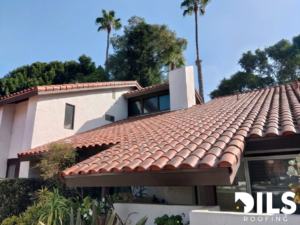
Tile roofs are popular throughout San Diego, from Carlsbad to Chula Vista. A single cracked or displaced tile leaves the underlayment beneath exposed. That underlayment eventually breaks down — and then water reaches your deck.
Deteriorated Pipe Boots
Every plumbing vent that exits through your roof has a rubber boot around it. These boots degrade over time, especially under San Diego’s intense UV exposure. A cracked boot is a small fix — but ignored, it becomes a significant leak point.
Clogged or Damaged Gutters
Gutters that can’t drain properly send water backing up under roofing materials at the eave. This is especially common after debris accumulates from coastal winds or surrounding trees. Keep gutters clear and check them after any major wind event.
Failing Roof Valleys
The valleys — where two roof planes meet — concentrate water flow. Worn valley flashing or cracked valley material creates a direct pathway for water intrusion.
Old or Cracked Sealants
Sealant around vents, pipes, and penetrations dries out and cracks over time. On a San Diego roof exposed to year-round sun, sealant can fail in as little as 5–7 years without maintenance.
What to Do When You Find a Roof Leak
Acting quickly limits damage. Here’s what to do while you arrange professional roof leak repair:
| ✓ | Protect what’s below. Place buckets or towels to catch drips. Move furniture, electronics, and valuables away from the affected area. |
| ✓ | Document everything. Take photos of the stain, any visible damage, and the area around where you suspect the leak is entering. This helps your roofer diagnose the problem faster — and supports any insurance claim. |
| ✓ | Avoid DIY repairs on the roof surface. Walking on a wet or damaged roof is dangerous. DIY patches with roofing tape or caulk can also mask the problem without fixing it — and may complicate your roofer’s diagnosis. |
| ✓ | Call a licensed roofer. A professional can safely access the roof, trace the leak to its actual source, and repair it correctly the first time. Look for a contractor licensed by the California State License Board (CSLB). |
If water is actively pouring in, or if you see significant structural damage, treat it as an emergency. Learn more about what to do in a crisis in our guide to emergency roof repair in San Diego.
Roof Leak Repair vs. Full Roof Replacement
Not every roof leak means you need a new roof. Many leaks — cracked flashing, a failed pipe boot, a single broken tile — are isolated repairs that a skilled roofer can address in a single visit.
That said, some leaks signal larger problems. If your roof is 20+ years old, if the damage is widespread, or if the underlayment has failed in multiple areas, repairs may only extend the problem rather than solve it. An honest roofer will tell you which situation you’re in after a proper inspection.
If you’re weighing your options, our guide on roof repair vs. replacement can help you think through the decision before you call.
Frequently Asked Questions
How do I know if I have a roof leak or a plumbing leak?
Check whether the stain appears after rain or happens regardless of weather. A roof leak almost always follows a rainstorm. A plumbing leak can occur anytime — especially if it’s near a bathroom, kitchen, or water heater. If you’re unsure, a roofer and a plumber can each assess their respective systems.
Can a roof leak cause mold?
Yes. Moisture trapped in insulation, wall cavities, or attic framing creates ideal conditions for mold growth. San Diego’s warm temperatures accelerate this. A leak left unaddressed for more than a week or two can result in mold that requires remediation beyond a simple roof repair.
How long does roof leak repair take?
Most straightforward repairs — replacing flashing, fixing a pipe boot, sealing a cracked tile — take a few hours. More complex repairs involving deck damage or underlayment replacement may take a full day. Emergency situations get priority scheduling with an experienced contractor.
Does homeowner’s insurance cover roof leaks in San Diego?
It depends on the cause. Most policies cover sudden and accidental damage — like a storm-damaged tile. They generally don’t cover damage resulting from neglect or normal wear. Document the damage thoroughly and contact your insurance company promptly. A licensed roofer can provide documentation to support your claim.
How do I find a reliable roofer for roof leak detection in San Diego?
Look for a contractor with a valid CSLB license, verifiable local experience, and clear online reviews. Avoid anyone who asks for a large cash deposit upfront or pressures you to sign before providing a written estimate. A reputable roofer will inspect the roof, explain what they found, and give you a written scope of work before any repairs begin.
Serving All of San Diego County
Dils Roofing & Solar proudly serves homeowners and businesses throughout San Diego County — from the coast to the inland communities. Find your area below to learn more about our local roofing services.
Spotted a Leak? Let’s Fix It Right.
Dils Roofing & Solar has been diagnosing and repairing roof leaks for San Diego homeowners since 1982. As a family-owned company now in its fourth generation, we take the time to find the actual source of the problem — not just patch what’s visible. CSLB #639961.