Skip to content

If you’re replacing a roof in San Diego, you’ll almost certainly face this question: tile or shingles? Both are proven, widely used roofing materials — but they perform very differently in San Diego’s climate, and the right choice depends on your home, your neighborhood, and your priorities. This guide breaks down the tile roof vs. shingle roof decision for San Diego homeowners so you can make a confident, informed call.
Why This Decision Matters More in San Diego
San Diego isn’t a typical roofing market. The combination of intense UV exposure, infrequent but heavy rain, salt air in coastal neighborhoods, and strict HOA guidelines in many communities means your roofing material choice has real long-term consequences. A material that performs well in the Pacific Northwest may be overkill here. A material that works in Phoenix may not match San Diego’s aesthetic expectations.
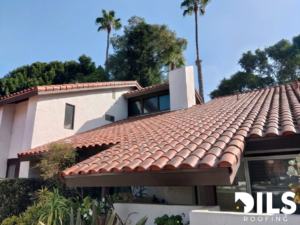
Tile roofs dominate San Diego’s housing stock — especially in older neighborhoods, hillside communities, and coastal areas like La Jolla, Carlsbad, and Oceanside. Shingle roofs are common in inland communities and newer tract developments. Neither is universally better. Each has genuine advantages depending on the situation.
Tile Roofs: Pros and Cons for San Diego Homes
Concrete and clay tile are the most common roofing materials in San Diego. Here’s an honest look at what tile offers — and where it falls short.

Tile Roof Advantages
| ✓ | Exceptional lifespan. Concrete tile typically lasts 40–50 years. Clay tile can last 50 years or more. For a long-term homeowner, tile is often the last roof they’ll ever need. |
| ✓ | Built for San Diego’s sun. Tile is naturally resistant to UV degradation. It won’t crack, curl, or lose granules the way asphalt shingles can under years of intense solar exposure. |
| ✓ | Low maintenance over time. Tile doesn’t rot or rust. Other than periodic inspection, cleaning, and underlayment replacement, tile roofs require relatively little ongoing attention. |
| ✓ | HOA-friendly. Many San Diego HOAs — especially in coastal and hillside communities — require tile. If your neighborhood mandates it, the decision is already made for you. |
| ✓ | Strong curb appeal and resale value. Tile is widely considered the premium look in San Diego. Buyers in this market expect it in many neighborhoods, and a quality tile roof can add to resale value. |
Tile Roof Disadvantages
| ✕ | Higher upfront cost. Tile installation costs more than shingles. The material itself is heavier and more labor-intensive to install correctly. |
| ✕ | Structural weight requirements. Tile is significantly heavier than shingles. Older homes may need structural assessment before a tile installation to confirm the framing can support the load. |
| ✕ | Individual tiles can crack. Foot traffic, falling branches, and impact from debris can crack tiles. Matching discontinued tile styles for repairs can be a challenge on older roofs. |
| ✕ | Underlayment still needs replacement. The tiles themselves may last decades, but the underlayment beneath typically needs replacement every 20–25 years. This is a significant cost that homeowners sometimes overlook when budgeting for tile. |
Shingle Roofs: Pros and Cons for San Diego Homes
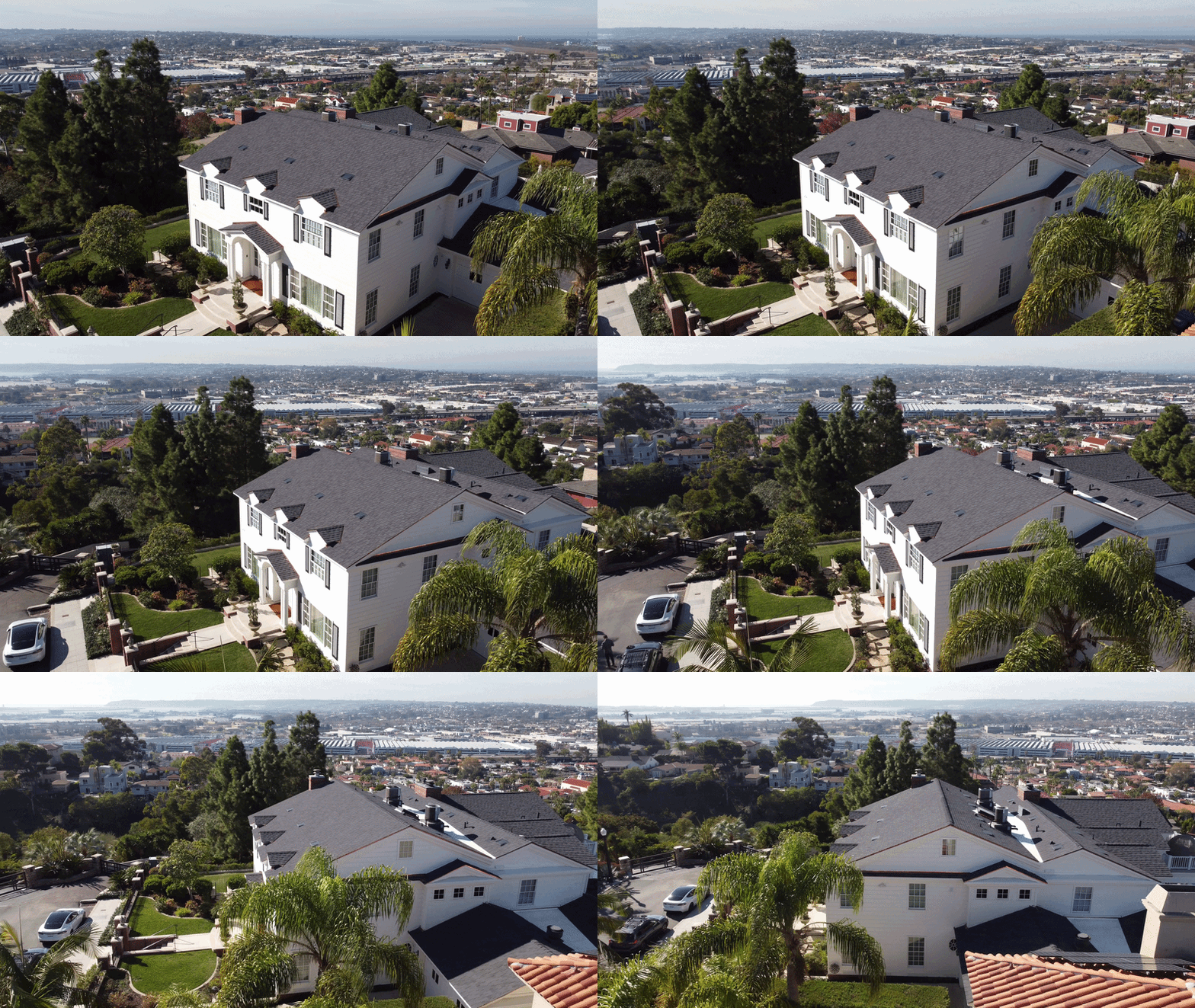
Asphalt shingles are the most common roofing material in the United States. They’re less dominant in San Diego than in other parts of the country, but they remain a solid, practical choice for many homeowners here.
Shingle Roof Advantages
| ✓ | Lower upfront cost. Shingles cost less per square foot to purchase and install than tile. For homeowners with a tighter budget or a shorter planning horizon, shingles offer a quality roof at a lower initial investment. |
| ✓ | Lighter weight. Shingles place far less load on the structure below. For older homes or buildings where additional structural support for tile isn’t feasible, shingles are often the practical choice. |
| ✓ | Easier and faster to install. A shingle roof typically installs faster than tile. Less labor time generally means lower installation costs and less disruption to your household. |
| ✓ | Wide variety of styles and colors. Modern architectural shingles offer significant visual variety. Premium options like CertainTeed’s Landmark or Presidential lines can mimic the look of more expensive materials at a fraction of the cost. |
| ✓ | Simpler repairs. Replacing a damaged shingle section is straightforward. Materials are widely available and matching is rarely an issue on newer roofs. |
Shingle Roof Disadvantages
| ✕ | Shorter lifespan in San Diego’s climate. Asphalt shingles are more vulnerable to UV degradation than tile. In San Diego’s sun-heavy environment, standard 3-tab shingles may show wear earlier than their rated lifespan. Architectural shingles perform better but still typically max out around 25–30 years here. |
| ✕ | May not meet HOA requirements. In many San Diego neighborhoods — particularly coastal communities — HOAs mandate tile. Always confirm your HOA guidelines before selecting a material. |
| ✕ | More maintenance in coastal areas. Salt air accelerates granule loss on asphalt shingles. Homes within a few miles of the coast in areas like Oceanside or Carlsbad may see a shorter effective shingle lifespan than inland homes. |
Tile vs. Shingle: Side-by-Side Comparison
| Factor | Tile | Shingle |
|---|---|---|
| Lifespan | 40–50+ years | 20–30 years |
| Upfront Cost | Higher | Lower |
| UV Resistance | Excellent | Good (varies by grade) |
| Weight | Heavy — structure check needed | Light — no structural concerns |
| HOA Compatibility | Required in many SD neighborhoods | May not meet HOA rules |
| Coastal Performance | Excellent | Fair — salt air accelerates wear |
| Repair Complexity | Moderate — matching can be tricky | Simple — materials widely available |
| Best For | Long-term ownership, coastal areas, HOA communities | Budget-conscious projects, lighter structures, inland homes |
Which Is Right for Your San Diego Home?
The honest answer: it depends on your home, your neighborhood, and how long you plan to stay.
Choose tile if: you plan to stay in the home long-term, your HOA requires it, you live in a coastal community like La Jolla or Oceanside, or you want the lowest lifetime cost over 40+ years despite the higher upfront investment.
Choose shingles if: your budget is a primary concern, your home’s structure isn’t suited for tile weight, your HOA allows it, or you’re in an inland community where shingles are the standard and you don’t plan to stay for decades.
Either way, the quality of the installation matters as much as the material. A well-installed shingle roof will outperform a poorly installed tile roof every time. Work with a San Diego roofing contractor who has proven experience with your chosen material and can show you completed local projects.

Dils Roofing is a CertainTeed Select ShingleMaster — a certification earned by fewer than 1% of roofing contractors and recognizing demonstrated expertise in shingle installation. We also install concrete and clay tile throughout Carlsbad and across San Diego County.
Frequently Asked Questions
Is tile or shingle better for San Diego’s climate?
Tile generally performs better in San Diego’s specific climate. Its natural resistance to UV degradation gives it a meaningful advantage over asphalt shingles in a region with year-round sun. That said, high-quality architectural shingles from manufacturers like CertainTeed are a solid choice in many situations — particularly inland homes where HOA requirements don’t dictate tile.
How much longer does tile last than shingles in San Diego?
Concrete tile typically lasts 40–50 years. Clay tile can last 50 years or more. Quality architectural shingles generally last 25–30 years in San Diego’s climate. That’s a 15–25 year lifespan difference — which explains why tile often has a lower cost per year over the long run, despite a higher upfront price.
Can I switch from tile to shingles (or shingles to tile) when I re-roof?
Switching from tile to shingles is straightforward and reduces structural load. Switching from shingles to tile requires a structural assessment first — tile weighs significantly more, and not all roof framing can support the additional load without reinforcement. A qualified roofer will evaluate this before recommending a material change.
Do San Diego HOAs require tile roofs?
Many do, particularly in coastal neighborhoods, hillside communities, and planned developments. HOA requirements vary widely — some specify tile only, some allow certain shingle types, and some have no roofing material requirements at all. Always check your HOA’s CC&Rs before selecting a material. Your roofing contractor should also be familiar with local HOA standards in your area.
Which roof is better for solar panels — tile or shingle?
Both work well with solar, but there are differences in installation. Solar on tile roofs requires roofers and solar installers who understand how to work around tile without cracking it. Shingle roofs offer a simpler attachment surface. In both cases, if your roof is nearing the end of its lifespan, it’s worth replacing it before adding solar to avoid the cost of panel removal and reinstallation later.
Serving All of San Diego County
Dils Roofing & Solar proudly serves homeowners and businesses throughout San Diego County — from the coast to the inland communities. Find your area below to learn more about our local roofing services.
Not Sure Which Material Is Right for You?
Dils Roofing & Solar installs both tile and shingle roofs throughout San Diego County. We’ve been helping homeowners make the right roofing decision since 1982 — and as a CertainTeed Select ShingleMaster and experienced tile installer, we can give you an honest recommendation based on your home, your HOA, and your budget. CSLB #639961.