Skip to content

While El Cajon, CA, is famous for its Mediterranean climate and sun-drenched summers, the arrival of the wet season brings a different set of challenges. When the dry spell breaks and the winter rains move in, your roof is the only thing standing between your interior sanctuary and the elements.
In Southern California, “rainy season” often means long periods of drought followed by intense, high-volume downpours. This cycle of extreme dry and sudden wet can wreak havoc on roofing materials that aren’t properly prepared. To help you safeguard your home, we’ve put together this essential guide on prepping your roof for the rain.
Rainy Season Prep Checklist
1. Optimize Your Drainage System
Water is only dangerous to a roof when it sits still. Your gutters and downspouts are designed to move water off the roof and away from your foundation as quickly as possible. However, during our long dry summers, gutters often fill with dust, bird nests, and wind-blown debris.
- The Clean-Out: Before the first autumn storm, clear all blockages to ensure smooth water flow.
- The Inspection: Check for sagging gutters or loose brackets that could fail under heavy water weight.
- Gutter Guards: Consider installing guards to minimize maintenance and keep leaves out.
2. Identify Vulnerabilities Before the Clouds Roll In
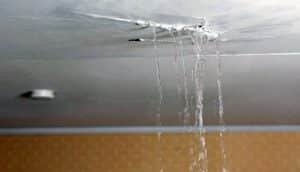
A roof leak rarely starts as a flood; it starts as a hairline crack or a single displaced shingle. Inspecting your roof while it is still dry allows you to spot these issues before they become emergency repairs.
Pay close attention to shingles that are curling or “balding” (losing their sandy granules). Additionally, check your flashing—the metal transition pieces around chimneys and vents. If the sealant around these areas has dried out or cracked, it acts as a funnel for rainwater to enter your attic.
3. Fortify Your Attic Against Moisture
The “health” of your roof is often dictated by the environment directly beneath it. Proper attic ventilation is critical during the rainy season to prevent moisture buildup. When warm, moist air gets trapped in an unventilated attic, it can cause condensation on the underside of your roof deck, leading to wood rot that mimics a leak.
4. Seal the “Penetrations”
Every hole made in your roof for a vent, pipe, or skylight is a potential leak point. Over time, the rubber boots and silicone seals around these penetrations degrade due to El Cajon’s intense UV exposure. Before the rain starts, apply a high-quality roofing sealant to any areas showing signs of wear.
5. Prevent “Ponding” and Standing Water
Flat or low-sloped roofs are common in San Diego County, but they are susceptible to “ponding”—where water pools in low spots for more than 48 hours. Standing water is incredibly heavy and can quickly degrade roofing membranes. If you notice pooling, you may need “crickets” (sloped architectural features) or additional drains to redirect the flow.
6. The Role of Drip Edges and Coatings
A drip edge is an often-overlooked metal flashing installed at the edges of the roof. It is designed to push water away from the fascia and into the gutters. If your drip edges are damaged or missing, water can “wick” backward under the shingles, rotting the edge of your roof deck.
7. Landscaping and Perimeter Safety
In El Cajon, the wind often accompanies the rain. Overhanging tree branches that seem harmless in July can become heavy and dangerous when soaked with water. Trim any branches that are within 10 feet of your roofline to prevent them from rubbing against the surface or snapping off during a storm.
Conclusion: Don’t Wait for the Drip
The most expensive roof repair is the one you didn’t see coming. By taking a proactive approach to gutter maintenance, attic ventilation, and structural seals, you can rest easy knowing your home is ready for whatever the winter months bring.
When you need a comprehensive assessment from a local expert, reach out to a trusted roofing contractor in El Cajon. At Dils Roofing, our team specializes in preparing Southern California homes for the unique challenges of our climate. Whether you need a pre-storm inspection, a specialized roof coating, or a full system upgrade, we are here to ensure your roof remains your home’s strongest asset.